Ohio offers a wide selection of homes with acreage for buyers seeking open space, privacy, or room for hobbies and animals. Whether you’re drawn to wooded lots, farmland, or suburban acreage, these properties provide flexibility and lasting value across every region of the state.
Miami Valley Dream Homes’ team helps you explore acreage listings that match your goals, from hobby farms to equestrian properties. Our local expertise ensures you understand land use, zoning, and utilities before making a commitment.
In this guide, you’ll learn how to identify different acreage property types, what to verify before buying, and how to navigate financing and zoning for a smooth rural or semi-rural purchase in Ohio.
Types of Ohio Homes With Acreage
Ohio offers a range of properties, from working farms to wooded retreats. Each type brings different infrastructure, tax considerations, and lifestyle benefits to match your plans.
Farmhouses and Agricultural Properties
Farmhouses often sit on productive cropland in western and central Ohio. You’ll see properties with corn and soybean fields, barns, grain bins, and fenced pastures. If you plan to farm, check for Current Agricultural Use Valuation (CAUV) eligibility to lower property taxes.
Older farmhouses may need updates, while turnkey farmsteads offer modern equipment and irrigated fields. Review soil maps, field drainage, and access roads before you buy. Rural counties away from Columbus, Cleveland, or Cincinnati usually offer larger acreage for the price.
Modern Country Homes
Modern country homes give you comfort and private land. These homes often feature open floor plans, updated kitchens, and septic systems sized for the household. Lots range from 5 to 30 acres near suburban edges or 10+ acres in slower markets.
Utilities and internet vary by location, so confirm well water, septic permits, and broadband options. If you want a hobby farm, look for level pastures and outbuildings. Proximity to schools and hospitals will affect commute and resale value.
Recreational and Hunting Estates
Recreational properties focus on woods, streams, and food plots for deer and turkey hunting. You’ll find parcels in southeastern Ohio’s hills and in pockets of mixed forest statewide. Look for trails, a pond or creek, and legal access to public hunting seasons.
Survey lines, timber value, and wetland boundaries matter for use and permits. Some listings offer minimal improvements, while others include cabins, driveways, and cleared shooting lanes. Make sure local zoning allows your planned activities.
Equestrian Properties
Equestrian properties offer barns, fenced paddocks, riding arenas, and cross-fenced pastures. Areas near equine communities, such as parts of Holmes County and central Ohio, often list houses with land suited for horses. Stable construction, turnout acreage per horse, and riding ring footing are key details.
Check well capacity for barn and irrigation use, manure management plans, and local zoning for livestock. If you want lessons, shows, or boarding income, look for extra stalls, a tack room, and room for trailer parking.
Key Factors When Buying Homes With Land in Ohio
Know the size you want, the rules that affect use, and whether utilities reach the property. These details shape cost, build plans, and daily life on Ohio acreage.
Acreage Size and Property Layout
Think about how you’ll use the land. If you want a hobby farm, aim for at least 5–10 acres; for privacy and trails, 20+ acres works better. The Buckeye State has many parcels under 10 acres near suburbs and larger tracts in rural counties, so check local listings for average property size in your target area.
Look at the shape and topography. Long, narrow lots can limit building placement and drive access. Steep slopes, wetlands, or streams affect usable area and add permitting or mitigation costs. Walk the boundary lines and note tree cover, fence lines, and pond locations.
Check legal boundaries and easements. A survey reveals true acreage and any shared driveways or access easements that can affect future plans. Ask the seller for a recent survey or include one as a contingency in your offer.
Land Use and Zoning Regulations
Confirm zoning before you buy. Zoning decides if you can build a single-family home, add an accessory dwelling, run a business, or keep farm animals. County zoning varies across Ohio—what’s allowed near Columbus may differ from rules in rural counties.
Research conservation easements and deed restrictions. Some Ohio properties carry limits on subdivision, building height, or tree removal. These can be permanent and may follow the land after you buy.
Talk to local planning officials and get permit rules in writing. Permit requirements and setbacks affect where you can place structures and whether septic or well systems need special approval. If you plan to subdivide, check the minimum lot sizes and road frontage rules in that county.
Access to Utilities and Infrastructure
Check how water, sewer, and power reach the site. Many rural Ohio homes rely on private wells and septic systems. Test well yield and water quality, and get a septic inspection to avoid costly repairs later.
Verify electric and internet options. Some areas have single-phase power suitable for homes, while larger agricultural or equine operations may need three-phase service, which can be expensive to extend. Confirm providers for broadband, as availability varies widely across the Buckeye State.
Consider road access and snow removal. Is the driveway on a public road or a private lane? Private roads may require shared maintenance agreements. Also, check cell service and distance to emergency services, schools, and grocery stores to match your daily needs.
Current Market Trends for Ohio Homes With Acreage
Buyers find a mix of steady price gains, tighter inventory in popular counties, and faster sales on well-priced rural properties. Expect higher median values near growing exurban areas and longer listing times in very remote tracts.
Ohio Home Value Trends Over Time
According to the Federal Housing Finance Agency, Ohio’s house price index (HPI) shows how overall home values, including rural and acreage properties, have trended over time. While not acreage-specific, this index offers a reliable view of market value movement across the state and helps buyers understand pricing direction before purchase.
Average and Median Listing Prices
The median list price for Ohio homes with acreage generally sits below many national rural markets. Recent statewide data shows median home values around $236K–$238K, but acreage properties often list higher than single-lot suburban homes.
Average list prices range widely: many small-acre parcels list from $200K to $500K, while farmsteads and larger tracts commonly start at $500K and can exceed $1M in desirable regions. Use filters for acreage, bedrooms, and outbuildings to target your search, and check county-level figures since prices vary by location.
Listing Age and Market Activity
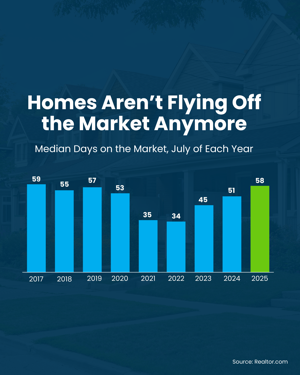
Listing age varies by location and asking price. Well-priced acreage near commuter corridors often moves in 30–60 days. Remote or high-priced rural estates can stay on the market 90–180+ days.
Inventory of acre-plus listings has grown in some months, giving buyers more choice, but demand remains strong for move-in-ready homes and properties with barns, fenced pasture, or water features. Monitor average listing age in your target counties to gauge competition and negotiation room.
Regional Price Variations
Prices shift a lot by region. In Northeast Ohio and around the Cleveland metro, many 1–5 acre properties list in the $200K–$450K band. South-central Ohio and parts of Appalachia often offer lower entry prices under $200K for acreage.
Closer to Columbus and Cincinnati, exurban acreage sees higher medians—common listings fall between $300K and $700K.
Recreational and scenic areas like Hocking Hills and portions of eastern Ohio command premiums; larger tracts there can top $1M. Compare county tax records, recent sales, and active listings to understand your local price range.
Top Locations for Homes With Acreage in Ohio
These areas offer different kinds of acreage: wooded hills and streams, wide flat farmland, or larger lots near city services. You’ll find options for farming, horses, privacy, or quick commutes.
Southeast Ohio and Appalachian Region
You can buy properties on rolling hills, many with mature timber, creeks, and rock outcrops. Counties like Hocking, Athens, and Vinton have parcels that border state forests or include trails. If you want views, hunting ground, or a weekend cabin, look for 10–60 acre tracts here.
Some listings sit near the Ohio River watershed or small tributaries, so check flood maps and well/drainage details. Roads can be narrow and seasonal. Expect lower taxes and quieter towns, but plan for longer trips to major hospitals or big-box stores.
Western Farmland Counties
In counties such as Darke, Mercer, and the surrounding Mercer/Van Wert areas, you’ll find broad, flat fields and large tracts suited to crops or livestock. These properties often include barns, machine sheds, and easy access to grain markets or county road networks.
Parcel sizes range from 10 acres up to several hundred acres. If you want productive soil and good road frontage, focus on soil maps and drainage tile records. Farmland in this region moves fast when priced right, so be ready to act.
Suburban Acreage Near Major Cities
If you want acreage but also schools and shorter commutes, target areas outside Columbus, Cleveland, Cincinnati, and Dayton. Towns like New Albany, Canfield, and parts of Licking or Medina counties offer 1–5-acre lots with modern homes.
Here you’ll get paved roads, utilities, and easier access to shopping while keeping space for horses, gardens, or a detached shop. Zoning and HOA rules matter; verify setbacks, septic rules, and whether you can keep livestock before you buy.
Lifestyle and Benefits of Owning Acreage in Ohio
Owning acreage in the Buckeye State gives you space to farm, room for outdoor life, and options to earn income or use the land in different ways. You can grow crops, raise animals, enjoy hunting and trails, or subdivide and lease parts of your property.
Farming and Agricultural Activities
If you buy acreage for sale in Ohio, you can plant cash crops like corn or soybeans on fertile midwestern soil. Small-scale vegetable plots, orchards, or berry fields work well on 5–20 acres. You can also keep livestock — chickens, goats, or a few beef cattle — with basic fencing and a shelter.
Local zoning often allows hobby farms, but check county rules if you plan commercial agriculture. Many buyers use Ohio’s low land prices to start a small farm business or qualify for state programs for beginning farmers. Plan for water access, equipment storage, and soil testing to maximize yields and control costs.
Outdoor Recreation and Privacy
Acreage in Ohio gives you easy access to hunting, hiking, and fishing without leaving your property. Many parcels border woods, creeks, or ponds, which support deer, turkey, and small game. You can add trails, riding rings, or a private cabin for weekend stays.
Large lots also offer quiet and distance from neighbors. Place the house to face a view, add buffer trees, or create a field for horses or ATVs. If you like hosting, acreage lets you set up outdoor events, bonfires, or gardens without strict HOA rules. Just check local ordinances for noise, burn permits, or structured events.
Potential for Investment or Multi-Use Properties
Buying acreage in Ohio offers a long-term asset with flexible uses. Lease fields for haying or hunting, rent space for storage, or develop tiny-home rentals to generate income. Some owners sell timber or lease land for cell towers and renewable energy projects.
Ohio’s central location and steady land demand attract investors interested in farmland, recreational plots, or future residential lots.
Subdividing larger tracts requires surveys and permits, but this can raise property value when local housing inventory is low. Track property taxes and maintenance costs to keep rental or resale plans profitable.
Planning Your Ohio Acreage Purchase With Confidence
Buying a home with acreage offers a unique blend of space, freedom, and long-term value. Whether you’re seeking farmland, a wooded retreat, or open land for recreation, understanding local zoning and infrastructure helps you make a well-informed investment.
Miami Valley Dream Homes in Ohio buyers navigate acreage listings with clarity, care, and trusted local experience. Our team ensures you understand each property’s potential and limitations before you make your decision.
When you’re ready to begin your acreage search, start by identifying your priorities — space, location, or specific land use. Review surveys, zoning, and access details, then explore the wide range of Ohio acreage homes available today.
Frequently Asked Questions
This section covers where to search for Ohio properties with land, how to find owner-listed or abandoned properties, price ranges, small-farm checks, and off-grid legality.
What are the best resources to find homes with acreage for sale in Ohio?
Use major listing sites like Realtor.com, Redfin, and Homes.com to filter by acreage and county. Land-focused sites such as LandSearch and Land.com list farms, equine properties, and large lots. Local MLS agents know rural markets. County auditor and tax websites confirm parcel size and ownership history.
How can I find rural homes for sale by owner in Ohio?
Search For Sale By Owner sites and local Facebook Marketplace listings. Look for classified ads in county newspapers and on community bulletin boards. Drive rural roads for "For Sale by Owner" signs. Check the county recorder or auditor sites for owners selling before listing publicly.
Are there any affordable options for homes with acreage in Ohio?
Yes. Smaller acre parcels and mobile homes in rural counties often cost less than suburban lots. Search less populated counties in western and southern Ohio for lower prices per acre. Watch for bank-owned, foreclosure, or auction sales. Include extra costs like well, septic, and land maintenance when comparing prices.
Where can I find a list of abandoned farmhouses for sale in Ohio?
No single statewide list exists. Start with county sheriff auctions and courthouse foreclosure records. Contact local real estate agents who handle distressed properties. Check historical property listings on local real estate sites and land marketplaces. Inspect structural, septic, and title issues before buying.
What should I consider when looking for a small farm for sale by owner in Ohio?
Verify zoning and permitted uses with the county planning office. Check water sources, soil quality, drainage, and fencing. Confirm utility access: electricity, septic, and water. Review property tax history, easements, and any conservation or agricultural liens.
Can you legally live off-grid in Ohio, and if so, in which areas?
You can live off-grid in many parts of Ohio, but rules differ by county and township.
Most counties allow off-grid homes if you follow building codes, septic rules, and well permit requirements.
Contact county health departments for septic and well rules. Ask local building departments about electrical and structural codes.
Check township zoning for any restrictions on tiny homes, RVs, or other nonstandard dwellings.



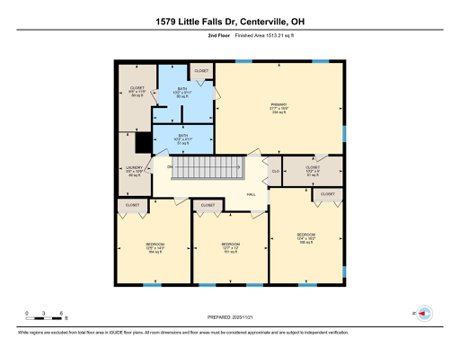 Four Spacious Bedrooms, Including a Retreat-Like Primary Suite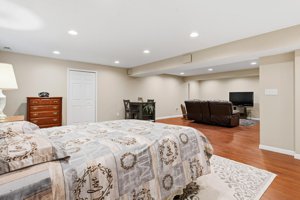
 A pre-approval tells you how much you can afford, gives you a firm grasp on your monthly payments, and signals to sellers that you're a serious and prepared buyer. In a competitive market, it can mean the difference between getting the house or missing out.