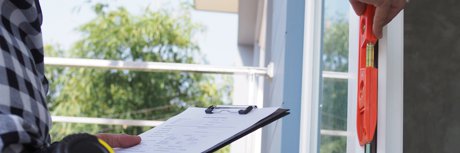
 Buying a home is one of the most significant investments you'll make in your lifetime. It's not just a financial commitment but also a place where you'll create memories, grow, and perhaps start a family. That's why ensuring the house is in good condition before finalizing the purchase is paramount. A whole house inspection is an essential step in the home-buying process, offering peace of mind and safeguarding your investment against unforeseen expenses. Let's delve into the reasons whole house inspections are crucial, highlight some common issues identified during inspections, and explain why additional inspections, such as termite and radon gas tests, are particularly important in regions like Dayton, Ohio.
A whole house inspection is an all-encompassing review of a property's structural and functional components, from the foundation to the roof and everything in between. It's not just about identifying problems but understanding the maintenance the property will require over time. For a new home buyer, this inspection is invaluable as it:
Ensures Safety: Identifies any safety issues, such as faulty wiring or structural problems, that could pose risks.
Protects Your Investment: Uncovers potential costly repairs and maintenance needs, allowing for informed financial planning or negotiation.
Provides a Negotiation Leverage: Reveals issues that you can use to negotiate the price down or request repairs before purchase.
Offers Peace of Mind: Knowing the true condition of the property helps in making an informed decision, reducing the risk of post-purchase surprises.
A whole house inspection covers a comprehensive examination of the property's structure and systems. This includes the roof, foundation, electrical systems, plumbing, HVAC (heating, ventilation, and air conditioning), and more. The goal is to identify any existing or potential issues that could cost you money down the line or pose safety risks. Some of the largest issues found during home inspections include:
Did you know that water is one of the most common issues found during a home inspection? Water-related problems can range from minor issues like leaky faucets or damp basements to more serious concerns such as water intrusion, plumbing leaks, or foundation damage. Inspectors carefully evaluate areas where water can accumulate or cause damage, such as the roof, gutters, basements, bathrooms, and kitchen. Identifying and addressing water-related issues early on can help prevent costly repairs and potential health hazards.
For those purchasing a home in the Dayton, Ohio region, there are additional inspections to consider:
Termite Inspection: Dayton is in a region where termite infestation can be a problem. Termites can cause significant structural damage that is often hard to see until it's too late. A termite inspection can save you from buying a home that may require extensive and expensive treatments and repairs.
Radon Gas Inspection: Radon is a colorless, odorless gas that can pose serious health risks, including lung cancer. Dayton, Ohio, like many other areas, can have high levels of radon. A radon gas inspection is crucial as it can detect the presence of this harmful gas and help you make an informed decision about the property. Mitigating radon gas can involve installing systems to reduce gas levels, which is something to consider before purchasing a home. Typically if it is discovered during the inspection period that a house has a radon issue, we can negotiate that the seller have a radon mitigation system installed before purchase.
Other Inspections To Consider:
1. Chimney Inspections for Fireplaces
If the home you're considering has a wood-burning fireplace or one converted with gas logs, it's imperative to have the chimney inspected by a certified chimney inspector. This specialized inspection, typically referred to as a Level 2 chimney inspection, goes beyond a mere visual check. It includes examining the chimney exterior, interior, and accessible parts of the appliance and chimney connection. The inspector will look for obstructions, soot build-up, cracks in the flue, and any structural issues that could pose a fire hazard or affect the chimney's performance. Ensuring the chimney is in good condition is essential for the safety of your home and family, especially if you plan to use the fireplace regularly. Even if a buyer thinks they will never use the fireplace and think they don’t need to spend the money to have the chimney inspected could lead to a large, unexpected financial cost in the future. How? Even if the new owner never used the fireplace during their ownership, when they go to sell the home in the future and that buyer does a chimney inspection and finds issues, guess who is going to pay for those repairs? The current owner, you, will have to cover the cost which could range from a new steel chimney liner at a cost of a few thousand dollars to more costly work. So even, if you think you’ll never use a fireplace, have it inspected now.
2. Well Water Testing
Homes in rural areas often rely on wells for their water supply. If the property you're interested in has a well, it's crucial to have both the water production and quality tested. A well water test will check for contaminants such as bacteria, nitrates, and other harmful substances that could affect your health. Additionally, assessing the well's ability to produce an adequate and consistent supply of water is essential for your daily needs. These tests give you peace of mind about the water's safety and the well's reliability before making your home purchase.
3. Septic System Inspections
Properties not connected to a municipal sewer system usually have a septic system for waste disposal. Before buying such a home, the septic tank should be emptied and inspected. This inspection is vital to ensure the system is functioning correctly and to identify any maintenance or repair needs. It's common practice for the current homeowner to bear the cost of emptying the tank before inspection. A well-maintained septic system is crucial for the home's sanitation and to prevent costly repairs or environmental contamination in the future.
4. The Importance of Sewer Pipe Inspections
For older homes, a sewer pipe inspection is a critical but often overlooked aspect of the home inspection process. This specialized inspection assesses the sewer lines from the house to the street, identifying potential blockages, breaks, or deterioration. Issues like tree root intrusion or age-related wear and tear can lead to significant, costly problems below ground. A sewer pipe inspection can mitigate the risk of encountering such hidden issues, providing peace of mind and preventing future expenses.
The home inspection process can be daunting, especially for first-time buyers. Here are some tips to navigate this crucial step effectively:
Home Inspections & Appraisals: They are not the same. A home inspector and a home appraiser have two different jobs. An appraiser will look for obvious safety concerns like missing handrails, a hole in the floor, or peeling paint that might contain lead, but will not inspect the whole house.
Choose a Reputable Inspector: Look for certifications and reviews to select an experienced and trustworthy professional. You Dayton Realtor may have a list of licensed and experienced home inspectors in the area.
Be Present During the Inspection: This allows you to observe the process, ask questions, and gain a deeper understanding of the property's condition. In the Miami Valley area, it is required that your real estate agent accompany you if you plan on attending your whole house inspection.
Review the Inspection Report Thoroughly: Understand the findings and discuss any concerns or unclear items with the inspector and your real estate agent.
Use the Report to Make Informed Decisions: Whether it's negotiating repairs, adjusting your offer, or even walking away from a deal with too many red flags, the inspection report is a valuable tool in your decision-making process.
Be Aware of the Time Limits of Your Inspection Period: Your purchase contract specified a particular number of days for your "inspection period." All your inspections, reports, and any requests for repairs (Defect Notice) must be completed and submitted before the expiration of your inspection period.
Plan for Future Maintenance and Repairs: The inspection can also serve as a guide for maintaining your home and planning for eventual repairs and upgrades.
 The Role of an Experienced Realtor is Invaluable
Navigating the home inspection process and understanding its findings can be complex. Having a great, experienced Realtor by your side is invaluable. Realtors like Don & Cyndi Shurts of Keller Williams, with 20 years of experience and over 190 5-star reviews on their Google business page, have the knowledge and expertise to guide you through the inspection process. They can provide insights into the implications of various inspection findings and negotiate on your behalf to ensure any necessary repairs are made, safeguarding your investment and peace of mind. Don & Cyndi have saved their clients thousands of dollars by negotiating post-inspection repairs for their clients.
Whole house inspections are essential for anyone looking to buy a home, offering a clear picture of the property's condition and highlighting any potential issues. Coupled with the expertise of seasoned Realtors, prospective buyers can navigate the process confidently, making informed decisions that secure their investment and future happiness in their new home. Understanding what an inspection covers, recognizing the examples of issues that could be found, and being aware of the types of inspections and the dangers of not inspecting a home are all crucial elements that empower buyers in the real estate market.
