
If you're asking what an Equestrian Property is, you're likely looking beyond a typical home and into something that supports both living space and horse care. These properties combine land, structures, and layout in a way that makes daily routines with horses practical and sustainable.
Don & Cyndi Shurts work with buyers across the Dayton area, where equestrian properties vary in layout, soil conditions, and usable space. Two properties with the same acreage can offer very different setups depending on drainage, fencing, and barn placement.
In this article, you’ll see what defines an equestrian property, how land and facilities support horse care, and what to evaluate before buying. You’ll also learn how zoning, layout, and long-term maintenance factor into your decision.
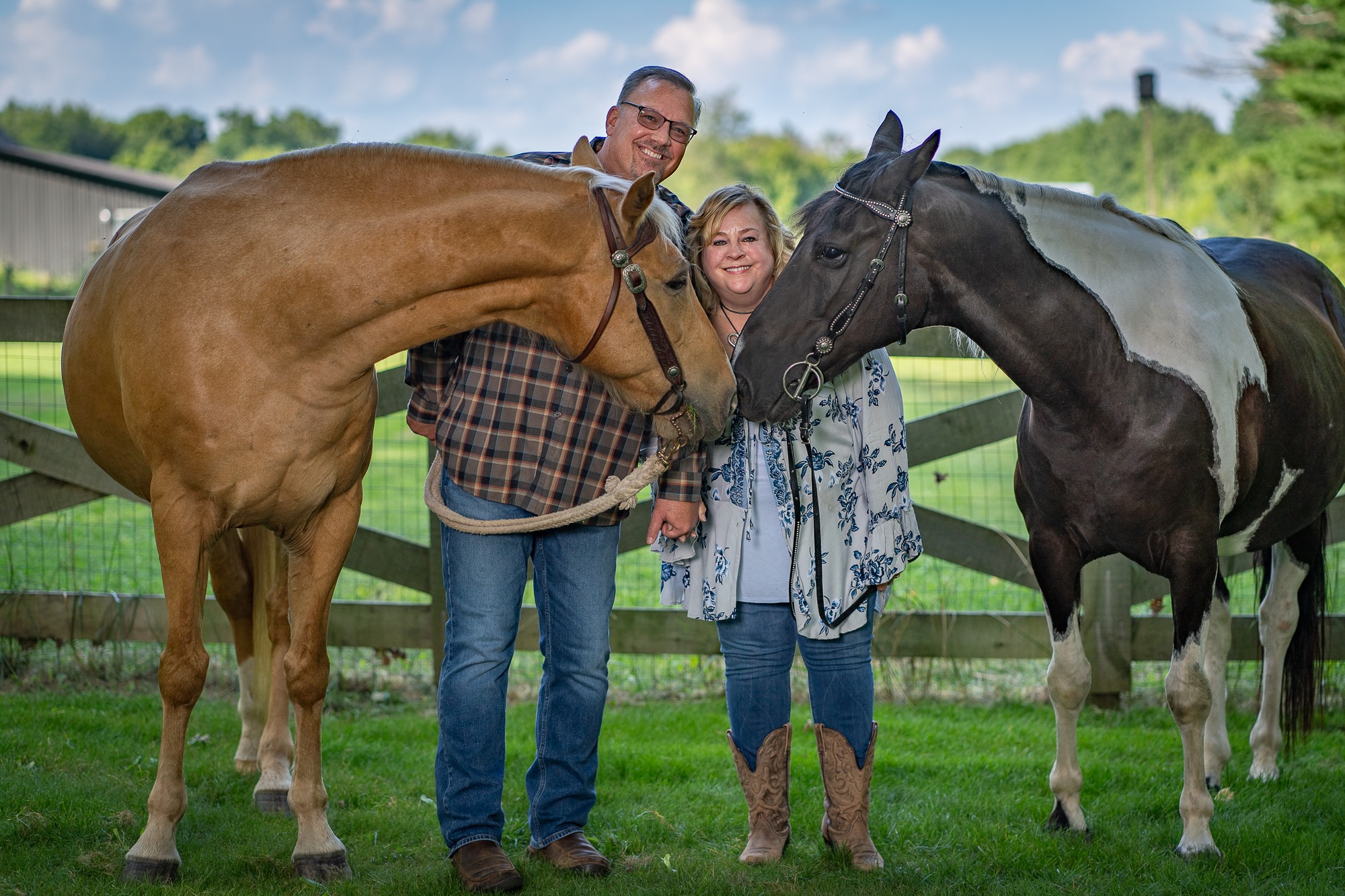
A Place Horses Call Home: Equestrian Property in Everyday Life
Equestrian properties combine living space with horse care. You’ll get barns, pastures, arenas, and storage that support daily routines for you and your animals.
How Equestrian Properties Differ From Regular Homes
Equestrian properties add structures and land for horses. You’ll find barns with stalls, tack rooms, feed storage, and wash racks. Walkways may have concrete or rubber aisles. Water and electricity in barns matter for lighting, heated water, and stall fans.
Land use changes, too. Fenced pastures, turnout areas, and riding surfaces—like sand arenas or turf—are common. Drainage protects hooves. Zoning and setbacks can change, so always check local rules in the Dayton area before making a move.
Maintenance demands more effort. You’ll spend time on manure management, fence repairs, and arena upkeep. Make room for equipment storage—tractors, trailers, and hay—often in a pole barn or shed.
Living Side by Side: Human and Horse Needs
Life on a horse property blends chores and home life. Your day might mean feeding, mucking stalls, checking pastures, and riding. Place the barn near the house for quick access, but downwind to keep odors away from living areas.
Safety and convenience are key. Good lighting, secure fencing, non-slip barn floors, and easy water access make life easier and safer. Store tack and feed properly to keep routines smooth and pests away.
Think about utilities. Reliable water, septic capacity, and electrical service keep barn operations running. If you’re moving to the Miami Valley, consider local vets, farriers, and feed suppliers before picking a site.
Popular Types: Farms, Ranches, and Estates
Horse farm: A smaller setup with several pastures, a modest barn with stalls, and a riding arena. It’s great for hobby riders, 4-H projects, or small boarding.
Horse ranch: These properties usually have more open space for grazing, bigger equipment barns, and sometimes multiple outbuildings. Ranches suit folks with lots of animals or those who need space for big machinery.
Equestrian estate: Larger, more developed, and often custom-built. Expect multiple barns, formal arenas, guest housing, landscaping, and maybe even a pond.
Quick checklist when comparing types:
- Stall count and barn features
- Pasture acreage and fencing quality
- Arena size and footing type
- Equipment and hay storage
- Proximity to local services in the Dayton real estate market
Pick the type that matches your riding level, herd size, and how much maintenance you’re willing to tackle.
The Heart of the Property: Land, Soil, and Space
Land size, drainage, and field layout shape daily care, feed costs, and turnout. Consider how many horses you’ll keep, how pasture recovers, and where to put shelters and water.
How Much Land Do You Really Need?
Most folks use 1.5 to 2 acres of good grazing land per horse for healthy pastures. Focus on fenced, rested fields with solid grass—not just total acreage that includes woods or steep hills. If you want to keep hay on-site, add land for cutting, drying, and storage.
For riding and turnout, keep a flat area near the barn for lunging, mounting, or quick exercise. Leave room for lanes, manure storage, and a buffer from neighbors. In the Dayton market, double-check property maps to confirm how much usable field you’ll actually get.
Free-Draining Soil and Natural Features
Free-draining soil helps avoid mud, protects hooves, and cuts down on maintenance. Sandy loam and gravelly topsoil drain better than heavy clay, which traps water and creates mud.
Look for gentle slopes that move water away from barns and arenas. Avoid low, wet areas unless you’re ready to add drainage. Trees give shade, but keep them away from high-traffic spots to avoid root damage and messes.
Test the soil for compaction and organic content before you buy. Good drainage and simple contours make fields safer and cut winter mud headaches.
Grazing, Paddocks, and Rotational Fields
Divide your land into several paddocks to rest pasture and control grazing. A common system uses three or four fields per herd: one active, one regrowth, one rest, and one sacrifice lot for bad weather.
Put field shelters or run-in sheds in each paddock so horses have cover without crowding the barn. Place waterers and gates for easy rotation and to avoid long dead-end lanes.
Set up gates, fencing, and lanes for tractor access and mud control. Rotating fields keeps grass healthy, cuts feed bills, and helps manage parasites over time.
Essential Facilities: From Stables to Storage
A good equestrian property offers safe shelter, easy water access, and organized space for gear and feed. Focus on sturdy stalls, a secure tack room, and reliable water to keep daily care simple and safe.
Barns, Stables, and Stall Space
Match your barn to the number and size of horses you keep. Standard stalls are 12x12 feet for riding horses and 10x10 for smaller breeds. Stall floors need good drainage and non-slip surfaces like rubber mats on compacted stone.
Ventilation and natural light matter. Use ridge vents, eave vents, and windows to cut dust and ammonia. Insulated walls help in winter, but don’t seal up airflow—horses need fresh air, not drafts. Check doors and latches; solid hardware stops escapes and injuries.
If you’re buying an existing stable, check the framing, roof, and wiring. Look for separate tack and feed storage near the barn entrance. Leave a clear aisle at least 10 feet wide for safe movement and equipment.
What features should a well-designed horse barn include?
A well-designed horse barn should include proper ventilation, adequate stall size, and safe flooring.
The American Society of Agricultural and Biological Engineers highlights that airflow, drainage, and structural safety are key to maintaining animal health. These features help prevent respiratory issues and injuries. Good design also improves daily efficiency.
Tack Rooms and Equipment Storage
A proper tack room protects saddles and bridles from moisture and dust. Keep the temperature steady and ventilation moderate. Add saddle racks, bridle hooks, and a locked cabinet for medications and valuables.
Store feed and supplements away from tack. Use rodent-proof bins and keep bags off the floor on pallets or shelves. If possible, include a workspace with a countertop and sink for cleaning gear and bandages.
Label shelves and keep an inventory list. Good lighting and clear walkways help you find things quickly and avoid accidents when you’re in a rush.
Water Access and Wash Stalls
You’ll need running water all year. Heated waterers or trough de-icers stop freezing in winter and keep horses drinking. Put water sources near turnout and stalls to avoid hauling buckets.
Design at least one wash stall with non-slip flooring, solid drainage, and adjustable temperature. A 4x6-foot wash stall fits most horses. Add a hose reel, shampoo shelf, and quick-release ties for safety.
Protect plumbing from freezes. Test water pressure and drains before winter. Reliable water and a working wash stall make daily care easier and help prevent health issues like dehydration or cold-related colic.
Riding, Training, and Trails: What Makes Life Better for Horses
Good riding facilities, safe trails, and room to grow help horses stay healthy and calm. You’ll want space for exercise, training, and easy access to trails for variety.
Riding Arenas and Space for Exercise
A proper arena lets you train all year. Indoor arenas should be at least 60' x 120' for basic work. Bigger or smaller spaces suit jumping or specific disciplines. Footing matters—a mix of sand and fiber drains well and saves joints.
Outdoor arenas need windbreaks and good drainage. Fencing should be sturdy and easy to see—4- to 5-board or high-tensile with top rail works. Add wash racks, mounting blocks, and tack storage nearby for smooth routines.
Consider turnout areas next to the arena. Daily turnout on grass or dry lots keeps horses moving. When viewing properties, check arena orientation, footing, and nearby storage.
Networks of Riding Trails
Trails give horses mental stimulation and low-impact exercise. Look for properties with trails that link pastures, woods, and ponds. A looped trail of one to three miles gives steady work without repeating the same path.
Trail design matters for safety and use. Keep slopes gentle, clear obstacles, and make sure bridges are solid. Mark trails and map lengths so you can plan rides by time or distance.
Access to community or public trails adds riding options. If the property doesn’t have external links, plan to build safe trail corridors and check easement or right-of-way details before you buy.
Planning for Expansion or New Facilities
Think ahead when buying equestrian real estate. Save flat land for future arenas, paddocks, or a round pen. Check zoning and setbacks so you can add buildings later—like a barn, wash stall, or covered arena.
Utility access counts. Plan water lines for multiple troughs, waste areas, and power for lighting or heated water. Create a phased build plan: start with shelters and turnout, then add training spaces and tack rooms.
Budget for surfacing, fencing, and permits. A clear expansion plan protects your investment and keeps horses comfortable as your needs grow.
Finding and Owning Your Ideal Equestrian Property
Start by listing what matters most: acreage, stall count, arena type, fencing, and how close you are to vets and feed suppliers. Know your budget, financing options, and whether you want to buy or lease facilities or horses.
Searching for Equestrian Properties for Sale
Search listings marked “equestrian,” “horse property,” or “hobby farm” in the Dayton and Miami Valley areas. Filter by acreage, barn size, stall count, arena type, and outbuildings like sheds or run-in shelters.
Visit properties in person to check footing, drainage, and fence condition. Walk pastures to see slope, drainage, and water access.
Ask for utility and septic reports. Get recent soil tests if you plan paddocks or crops. Note local zoning and any conservation easements that affect building or subdivision.
Working With Specialist Agents and Brokers
Pick an agent who knows equestrian real estate and the local market. A specialist understands costs for barns, arenas, and pasture improvements in the Miami Valley.
Ask for recent sales of horse properties and referrals to equine inspectors. The agent should help with negotiating repairs, farm-focused inspections, and estimating costs like hay, farrier, and boarding.
Work with lenders familiar with rural and agricultural loans if you need financing. A local agent will walk you through permits, well and septic checks, and home-buying steps in the Dayton area.
Key Considerations for Buyers
Focus on safety and daily care. Check fencing, gate security, stall size, and ventilation. Look for non-slip flooring and rubber mats where possible. Check water sources, feed storage, tack rooms, and wash areas.
Make sure barns have electrical service and backup power for freezers or heated water. Plan for long-term costs: pasture upkeep, manure removal, repairs, and insurance.
Consider how close you are to vets, farriers, and feed stores, and how commute time affects your routine. Check zoning, boarding rules, and any HOA restrictions that could affect leasing or running a small boarding business.
Leasing Horses or Facilities
Think about whether you want to lease horses, board your own, or rent out your place. Leasing a horse can help you save money upfront while you figure out what your property needs.
If you board horses, write clear agreements that explain care, farrier visits, vaccines, and who’s responsible for what. Don’t forget the rules for turnout, feeding, and emergencies.
When you lease your arena or stalls, set your rates based on what’s normal in your area and how nice your place is. Stay on top of maintenance and keep your insurance up to date. Good contracts keep things running smoother than you might expect.
Rules, Regulations, and What to Watch For
Before you buy equestrian land, check local rules, property features, and what’s happening nearby. Watch out for zoning, building setbacks, well and septic rules, and any shared road or lane issues.
Zoning, Planning, and Legal Rules
Zoning decides if you can keep horses, build barns, or add arenas. Look up your parcel’s zoning code at the county office.
Make sure you know what’s allowed, how much land you need, and any limits on barns or animals. If your plans don’t fit the code, ask about permits or variances. These can take a while and might cost more than you’d think.
Check for setbacks, floodplain or wetland rules, and slope limits. These affect where you can build barns, paddocks, or arenas. Look up rules for wells and septic systems; most horse properties use private water and septic.
Check how much they can handle and what it costs to replace them. Read covenants and easements closely. Shared driveways, pastures, or trails can mean you’ll have to handle maintenance or share access for years.
Community and Environmental Considerations
Take a good look at the neighbors and nearby land uses that might affect your horses. Road traffic, hunting leases, crop spraying, or other livestock can stir up safety or noise problems.
Check out the local rules about noise, manure, and odors. Some Miami Valley areas have specific guidelines for manure storage, composting, and removal times.
Protect your pasture and water quality by looking at soil type, drainage, and what kind of fencing you'll need. Notice if there’s already any pasture management, like rotational grazing, buffer strips, or strong fencing.
Ask if there are any conservation or agricultural programs that limit future development but might help with taxes. It’s also smart to see if mosquito or fly control services exist, and if you’ll need to follow setback rules from streams or wetlands for environmental reasons.
Understanding What Makes the Right Fit
Understanding What Is an Equestrian Property means looking beyond features and focusing on how everything works together. Land, facilities, and layout all contribute to how the property supports daily routines. Seeing the full picture helps you make more informed decisions.
Don & Cyndi Shurts work with buyers across the Dayton area, where equestrian properties require careful evaluation beyond standard listings. Knowing how land, structures, and local conditions interact helps bring clarity to the process.
If you’re considering an equestrian property, take time to evaluate how each element fits your needs. A thoughtful approach can help you choose a property that works for both you and your horses.
Frequently Asked Questions
What is an equestrian property?
An equestrian property is a property designed to support horse care, including land, barns, stalls, and fenced areas for grazing and training.
How much land do you need for an equestrian property?
You need about 1.5 to 2 acres per horse for an equestrian property, depending on soil quality and pasture management.
What features define an equestrian property?
Features that define an equestrian property include barns, fencing, pasture space, riding areas, and storage for equipment and feed.
Are equestrian properties more expensive than regular homes?
Equestrian properties can be more expensive than regular homes because they include additional land and specialized facilities for horse care.