
Preparing Your Horse Property for Ohio Winters: A Comprehensive Guide
.jpg)
Ohio winters can be challenging for horse owners, with temperatures plummeting, snow accumulating, and icy conditions becoming the norm. As experienced equine property experts, we've helped many clients find the perfect horse properties in the region. Now, we're here to help you ensure your horses and property are prepared to face the harsh winter months.
Here are our top tips for preparing your horse property for the upcoming Ohio winter:
1. Prepare Your Barn for Winter
Your barn is the primary shelter for your horses during the winter, and it’s essential to winterize it.
Check for Drafts: Horses can tolerate cold weather well, but drafty barns can cause discomfort and lead to health issues. Walk through your barn and seal any cracks or holes where cold air can seep in.
Inspect and Maintain Insulation: If your barn has insulation, make sure it’s in good condition. Well-insulated barns help retain warmth and can reduce your heating costs.
Ventilation Matters: While insulation is important, ventilation is equally crucial. Poor ventilation can lead to respiratory problems for horses. Ensure your barn has adequate airflow without causing cold drafts.
Waterline Protection: Make sure your barn's water pipes are insulated and protected from freezing. You may also want to invest in heated water buckets or automatic waterers with de-icers to prevent your horses' water supply from freezing.
2. Evaluate Your Horse's Winter Coat and Blanketing Needs
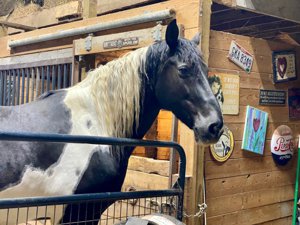
Horses naturally grow thicker winter coats, but some may need additional protection depending on their breed, age, or health status.
Blanket Wisely: Not every horse requires a blanket, but older horses or those in poor health might benefit from one. Ensure blankets are waterproof and properly fitted to avoid rubbing or discomfort.
Body Condition Scoring: Regularly check your horse's body condition score (BCS) throughout the winter. Horses can lose weight quickly in cold weather if they are using extra energy to stay warm.
3. Stock Up on Hay and Feed
Winter means reduced grazing opportunities, so having an ample supply of hay and feed is crucial. Because of the drought we had this summer in the Ohio area, many hay farmers were only able to have two cuts of the hay. The grass in our area didn't grow during the drought enough for most farmers to get a third cut. So be sure to call your area hay provider to purchase hay early or have them hold hay for your horses.
Hay Storage: Make sure you have a dry, sheltered place to store hay, as it’s the primary source of forage during the winter. You'll likely need to feed more hay in the winter to help horses generate internal heat.
Supplemental Feeding: Some horses may require extra calories to maintain their weight in the cold. Consider high-fat feeds, such as beet pulp or rice bran, to supplement their diet if needed.
4. Prepare Pastures and Paddocks
Winter weather can turn pastures into a muddy mess, which can lead to hoof problems like thrush. Here’s how to protect your pasture and horses’ hooves.
Pasture Rotation: If possible, rotate your horses between different paddocks to prevent any single area from becoming overly muddy.
Install Mud Management Systems: Gravel or geotextile fabric can be laid in high-traffic areas like gates or around water troughs to minimize mud and improve drainage.
Hoof Care: Regularly clean and inspect your horse’s hooves, and consider using hoof treatments to prevent thrush and other winter-related hoof issues.
5. Ensure Access to Fresh, Unfrozen Water
.jpg)
Horses need access to water 24/7, and dehydration can be a concern during the winter.
Heated Water Buckets or Troughs: Invest in heated buckets or troughs with de-icers to ensure your horses have a consistent water supply. Horses often drink less in winter, so providing warm water can encourage them to drink more.
Check Water Sources Daily: Make it a habit to check water sources every day to ensure they haven’t frozen over.
6. Winterize Outdoor Areas
In addition to your barn, the outdoor areas of your property need attention.
Inspect and Repair Fencing: Winter weather can be hard on fencing. Inspect your fencing now, and repair any loose or broken boards before the cold sets in.
Grit and Salt: Keep a supply of sand, gravel, or non-toxic de-icer handy for icy walkways, gates, and barn entrances to keep areas safe for both you and your horses.
7. Monitor for Winter Health Issues
Winter can bring specific health challenges for horses, and it’s important to be vigilant about their care.
Respiratory Issues: Be mindful of respiratory problems that can arise from dusty hay or poor ventilation in the barn. Regular cleaning and proper ventilation can help reduce the risk.
Colic Awareness: Colic is more common in the winter, especially if horses aren’t drinking enough water. Monitoring water intake and feeding plenty of forage can help keep your horses' digestive systems moving.
Vaccinations and Deworming: Work with your vet to ensure your horses are up-to-date on vaccinations and deworming schedules before winter.
8. Have an Emergency Plan
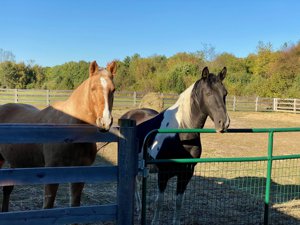
Winter storms can bring power outages, heavy snow, or other challenges. Being prepared is essential.
Generator: Consider having a backup generator for your barn in case of power outages. This can ensure water pumps and other essential systems continue working.
Emergency Supplies: Stock up on extra hay, grain, and water in case you are snowed in for a few days.
Plan for Snow Removal: Make sure you have a reliable snow removal plan in place for your driveway, barn entrance, and paddocks.
9. Build a Support Network: Neighbors and Equestrian Communities
Winter can be unpredictable, and having a reliable support system can make all the difference. Reach out to neighbors who also own horses or are passionate about them. Offering mutual assistance during the colder months can be invaluable if a situation arises where you need help caring for your horses—whether it’s due to bad weather, illness, or an emergency.
Consider joining a local equestrian group or community. These groups are a great way to meet like-minded individuals who can offer advice, share resources, and help you care for your horses if something comes up. You’ll not only find friends who understand your love for horses but also a network of people who can assist during emergencies.
And, as always, ensure your horse’s veterinarian is on speed dial. Regular veterinary check-ups and staying on top of annual and seasonal vaccinations and treatments are essential for your horse’s health, especially as winter approaches.
Let Us Help You with Your Equine Property Needs
By preparing your Ohio horse property for winter, you can ensure a safe, healthy, and comfortable season for your horses. If you’re considering buying or selling a horse property in the Dayton, Ohio area, Cyndi and I are here to assist. We have years of experience not only in real estate but also as horse owners, so we understand the unique needs of equine properties.
For personalized advice and expert assistance, reach out to Don and Cyndi Shurts at Keller Williams Advisors Realty. Call us today at 937-241-2124 or 937-604-5194 to discuss your equine real estate needs.