
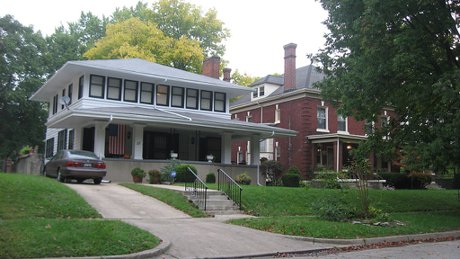
Sculpted landscaping and greenery enhance the outside beauty of your home, and that’s especially important if you want to put the house up for sale. Increasing your home’s value and curb appeal with landscaping doesn’t have to break the bank, and you’ll enjoy it for as long as you own the property. In fact, well-designed landscaping also lowers energy costs and usage.
Your landscaping vision begins with the inspiration found in garden stores, magazines, online, and in your dreams.
Low-Maintenance Lawn
Lawn care isn’t much fun, so the less work you have to do, the better. A low-maintenance lawn starts with grasses that work best in the region. For example, Kentucky bluegrass is a hardy variety most found in the northern half of the United States. One cool trend in lawn care is the patterns you can create on the turf. Changing directions when cutting is important for grass blades to grow healthily. Jazz up the lawn with zig zags, checkerboards, squiggles, stripes, and arches. Striping kits and pattern rollers are available for the truly artistic lawn care enthusiast.
Landscape Technology
Landscaping is keeping up with smart technology. Cell phone apps control outdoor lighting, swimming pool heaters, water fountains, barbecue grills, and even help to identify bugs and plant diseases. Technologies in landscaping include weatherproof outdoor speakers, robotic lawn mowers, and time-lapse cameras that take photographs of the garden (along with critters eating the veggies and fruits of your labor),
Pollinators, Rain Gardens, and Native Plants
Attract butterflies, birds, and bees to specially-designed pollinator gardens in the front, side and back yards. Pollinating insects depend on their environment to thrive. For example, in Ohio, trees, shrubs, and native flowers draw brightly-colored Monarch butterflies, honeybees, and a variety of songbirds that disperse pollen. Native plants don’t need much water and are less apt to become diseased. Trees, groundcovers, flowers, gardens, and shrubs are all part of the fragrant greenery that makes up a handsome yard.
Rain gardens store water runoff, filter out contaminants, and keep pollutants from flowing to nearby streams and rivers. Dig a bowl-shaped rain garden at the lowest point in the yard, about five feet wide and 8 inches deep. Add drainable soil, compost, and some decorative rocks around the border.
Outdoor Structures and Hardscaping
Potential home buyers are drawn to scenic landscapes and hardscaping that include built-in structures; walkways, patios, retaining walls, decks, swimming pools, barbecue pits, and stoneware. Dress up the backyard, patio and deck with cozy gazebos, pergolas, privacy fences, and living walls.
Gazebos and pergolas are available at your favorite hardware and home stores, or you can build them yourself.
If your neighborhood rules allow, decorative fencing around the backyard is a nice touch. Wood, steel, iron, glass blocks, and brick products keep unwanted visitors out as they provide safety and security for dogs and children.
Living walls contain plants, shrubs, vines, perennials -- even fruit and vegetables! Choose plants that best suit the environment, climate, and the direction of the wall.
Outdoor fountains, waterfalls, and small ponds are a charming draw to the curb appeal in front, and esthetic features in back of the house. Ponds can be fancy or simple.
Edible Front Yard Gardens
Fruit and vegetable gardens are not limited to the backyard, especially if you have a small piece of property. Mix flowers and veggies together -- a few fragrant tomato plants and herbs are nice, too. City ordinances may have limits, such as how far a garden must be from sidewalks, so it’s important to check local laws before digging up the yard. Don’t be surprised if your neighbors stop by to say hello while working on your front yard garden.
Today’s trends may be tomorrow’s history. Landscaping is no different. The best thing to do is make a list of what you want, and then look at what can work best.